Fine motor skills
Strong Hands for Big Jobs
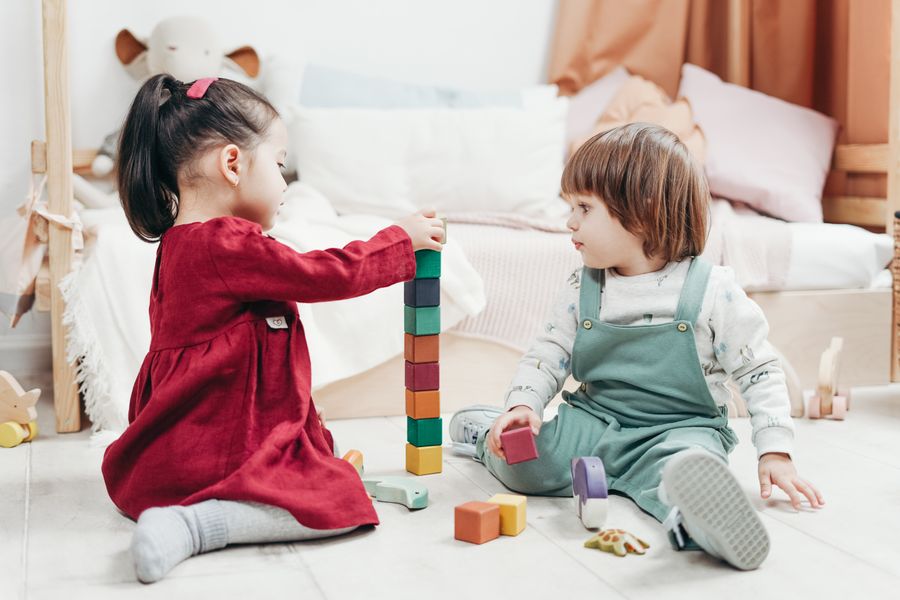
Buttoning shirts, holding pencils, cutting curves, opening lunchboxes — little hands do big work. When grip is weak, avoiding drawing or getting tired during crafts, our hand therapy builds strength and coordination through dough, beads, tweezers, and building play.
We also support recovery after hand injuries and help children with low tone develop the endurance school demands.
- Fine-motor and grip-strength assessment
- Pencil grasp, scissor, and bilateral coordination work
- School-ready writing and self-care practice
What's included
Inside the Program
Hand Check
Grip strength, dexterity, and endurance testing — plus watching your child draw, cut, and dress.
Strength Play
Therapy putty, climbing walls, and kitchen tasks that build hand muscles without a single worksheet.
Skill Ladders
Snip → fringe → curves → shapes: scissor and pencil skills taught in tiny winnable steps.
Classroom Carryover
Pencil grips, seating tips, and teacher notes so new skills survive the school day.
Good to know
Hand Therapy FAQs
What are signs my child needs hand therapy?+
Avoiding drawing or coloring, switching hands often, pressing too hard or too softly, trouble with buttons, zippers, or scissors — all worth a screening.
Is this the same as occupational therapy?+
Hand therapy zooms in on fine-motor skills specifically, while occupational therapy covers broader daily living. Many children benefit from both, coordinated in one plan.
Do you make custom splints?+
Yes — our therapists fabricate gentle resting and writing splints for children recovering from injury or managing tone.
How long are sessions?+
Usually 40 minutes weekly, with a take-home “finger gym” of two-minute daily exercises.
Related programs: Occupational Therapy • Speech Evaluations • First Steps Therapy
Little Hands Can Do Big Things
A fine-motor screening pinpoints grip, coordination, and endurance — with playful fixes to match.