Everyday independence
Skills for Real Life
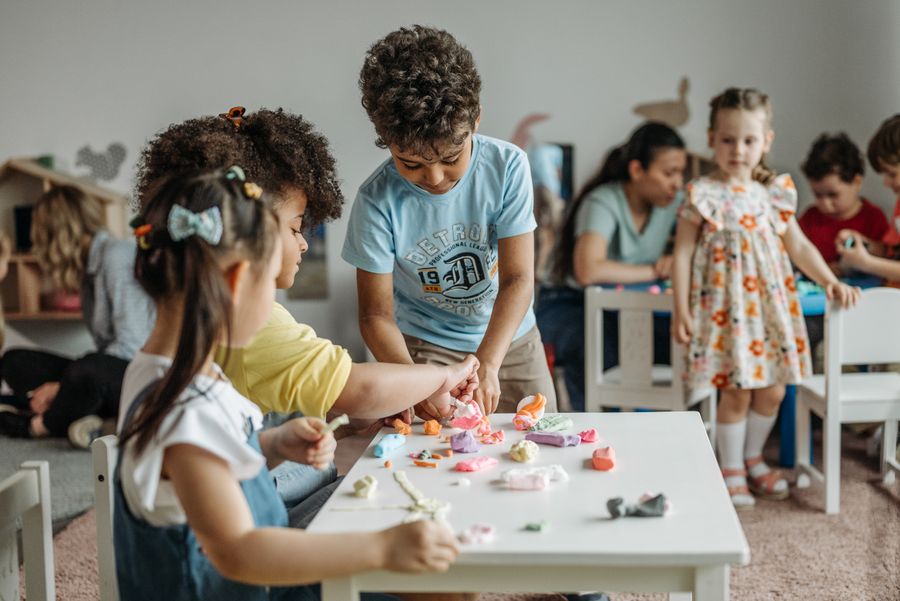
Childhood's “occupations” are playing, dressing, eating, learning, and making friends. When sensory sensitivities, coordination, or attention make these hard, our occupational therapists break each task into achievable steps — and practice them in our play kitchen, climbing corner, and mock classroom.
Families leave with routines, visual schedules, and sensory strategies that calm mornings and smooth bedtimes.
- Sensory processing and self-regulation profile
- Dressing, feeding, and hygiene independence
- Playground confidence and classroom participation
What's included
Inside the Program
Daily-Life Audit
We observe mornings, meals, and play to find exactly where the day gets stuck.
Sensory Toolkit
Swings, weighted lap pads, and calm corners teach your child to find their “just right” feeling.
Step-by-Step Skills
Backward chaining and visual schedules turn overwhelming tasks into first-then wins.
Home & School Setup
Room layouts, morning charts, and teacher huddles that keep gains going everywhere.
Good to know
Occupational Therapy FAQs
My child melts down over socks and tags. Is that OT territory?+
Yes — tactile sensitivity is one of the most common reasons families come to us, and it responds beautifully to graded sensory work.
Do you help picky eaters?+
We do. Our food-exploration ladder moves from tolerating foods on the table to touching, smelling, tasting, and chewing — never forced.
How is OT different from speech therapy?+
OT focuses on doing — moving, sensing, self-care — while speech therapy focuses on communicating. They pair wonderfully, and we coordinate both.
Will insurance or funding cover this?+
Often, with a referral. We provide detailed reports and invoices formatted for common funding programs — ask us and we'll help.
Related programs: Pediatric Hand Therapy • Therapeutic Listening • Speech Evaluations
Make Every Day Easier
Tell us where the day gets hard — we'll map the skills behind it and start small, joyful wins.