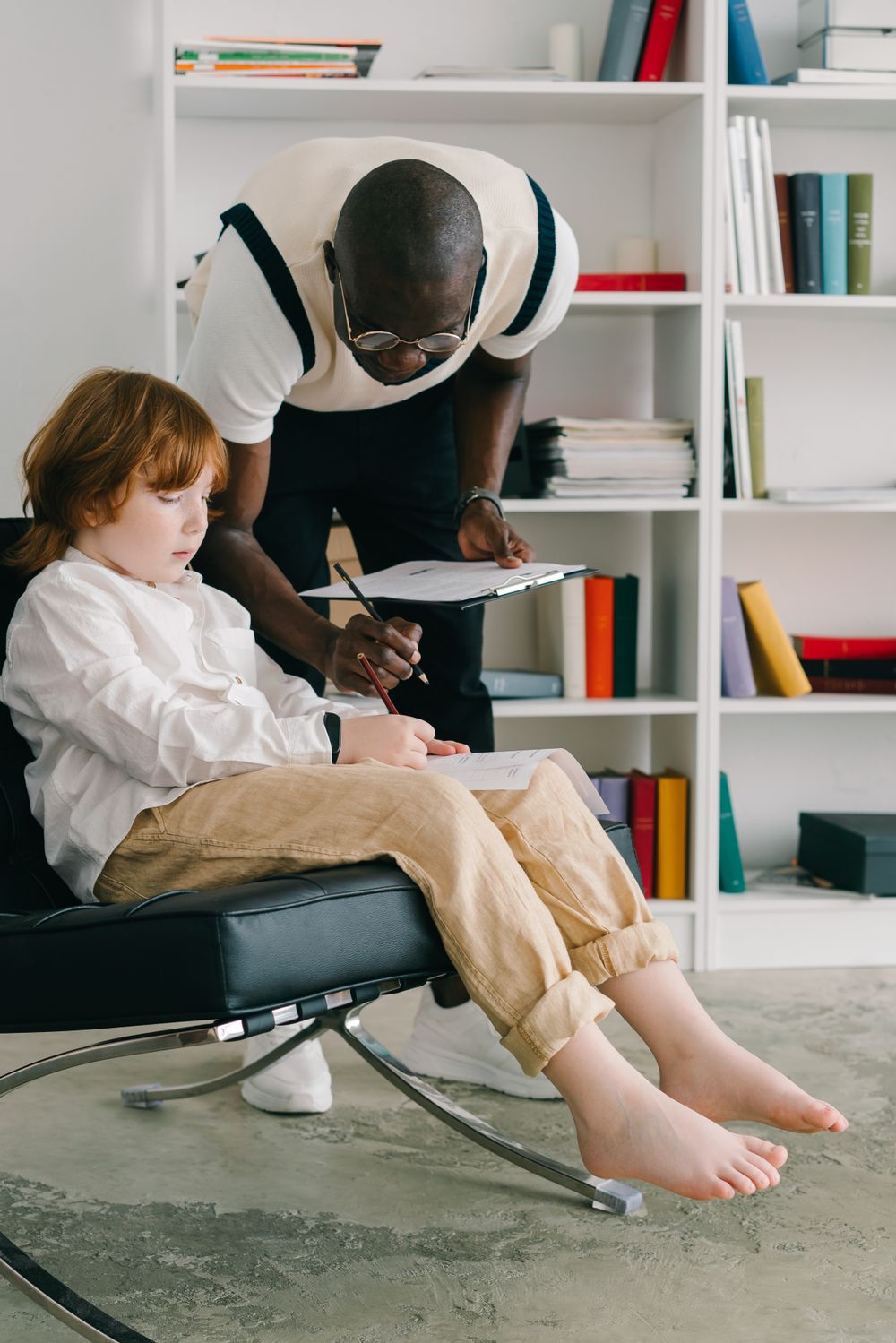
Every week a parent tells us some version of the same story: “She talks nonstop at home, but at preschool — nothing.” Confidence, not ability, is often the missing piece. The good news is that confidence is buildable, and the building happens in ordinary moments.
1. Wait three extra seconds
When you ask a question, silently count to three before helping. That pause feels endless to adults and perfectly comfortable to children. Most “I don't know” answers turn into real sentences given a few more seconds.
2. Narrate, don't quiz
Trade “What color is this?” for “I'm drawing a big blue circle!” Narrating removes the pressure of right answers while flooding your child with useful language to borrow later.
Children don't learn to speak confidently by being corrected. They learn by being heard — fully, warmly, and without rushing.
3. Celebrate the message, then the sounds
If your child says “wabbit,” respond to the rabbit first (“Yes! A rabbit! It hopped!”) and model the sound naturally. Feeling understood is what makes children want to talk again tomorrow.
4. Create low-stakes audiences
Let your child “read” to a stuffed animal, order their own drink with you beside them, or leave a voice message for grandparents. Each tiny audience makes the next one easier.
5. Protect dinner-table talking
One round of “best part of today” where everyone — including the adults — shares and nobody corrects. In our experience, this single ritual does more for confidence than any flashcard.
If shyness shades into real avoidance — refusing to speak at school, whispering only to family — a speech evaluation can tell you whether it's temperament, a speech gap, or a mix of both. Either way, you'll leave with a plan.

Lead Speech Pathologist at Softspoken Therapy Studio. Eleven years helping late talkers, stutterers, and shy speakers find their voice.
Keep reading: Inspiring Kids to Communicate Effectively • Building Confidence in Speech Skills